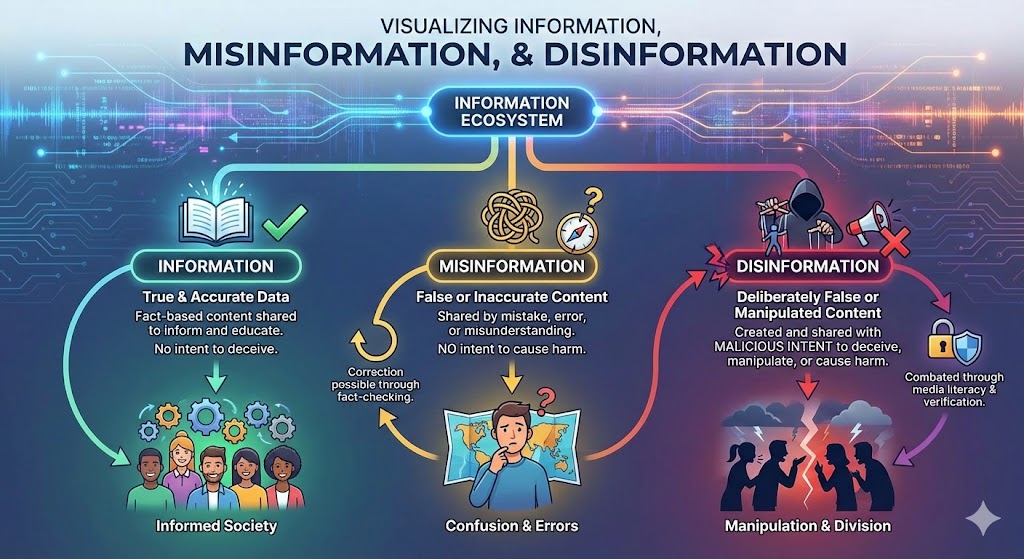
Information? Misinformation? Disinformation? Do you know what you are reading or seeing? When the government tells us we are not seeing what our own eyes are telling us we are seeing, when the official White House website takes down information they don’t like and puts up what basically amounts to propaganda, it is time to take a hard look at, well, what we are looking at. Let’s start with the trusty old Merriam-Webster dictionary and Thesaurus.com:
Information:
Knowledge gained from investigation, study, or instruction
Knowledge of a particular event or situation
Synonyms: Data, Facts
Misinformation:
Incorrect or misleading information
Synonyms: inacurate, misconception
Disinformation:
False information deliberately and often covertly spread (as by the planting of rumors) in order to influence public opinion or obscure the truth
Synonyms: Treachery, propaganda, fake news
Information is good, but how do you know it when you see it? Is your uncle spreading misinformation or disinformation when he repeats what he heard on the news or on Facebook? Does it matter??
First things first: ask yourself, is this information reliable? Information is reliable when it is accurate and verifiable. How can you tell? It starts at the source. You want to find legitimate sources for information, like newspapers or journals. You access some journals online, but most are behind paywalls. This is where your library comes in – most public libraries have access to a variety of databases that they pay a lot of money for – take advantage of these, usually from the comfort of your web browser. You generally will need a library card to access these types of sources.
Another way to find reliable sources is by Googling – but not on Google’s homepage. Instead, try Google Scholar. The resources there will be much more relevant and trustworthy than just doing an internet search. You can also get your news from television, but just be aware that there is a difference between investigative journalism, both in print or online or on TV, and opinion programming, like the programs on Fox News or MSNow. While they may appear to be news, they are the opinions of the television hosts or networks you are watching, often backed up by misinformation at best, and disinformation at worst.
Good investigative journalism will extensively reference primary sources – experts in the field, eyewitnesses, and interviews (not a rehashing of someone else’s interview). Websites that are usually trustworthy use .gov. .edu, or .org instead of .com, although our current administration is breaking those long-held norms. Beware of clickbait news and AI-generated webpages, misinformation or disinformation, and pictures. Large language models like ChatGPT, Claude, and Gemini are designed to provide answers in natural language, not to generate meaningful information. Understanding who created an information source, what audience it was created for, and for what purpose gives you context for how you should (or shouldn’t) use it.
The CRAAP Test is a widely used tool for evaluating information sources, standing for Currency, Relevance, Authority, Accuracy, and Purpose; developed by librarian Sarah Blakeslee, it helps users assess if information is timely, suitable, from a credible source, factually correct, and unbiased, making it a key strategy for media literacy and research.
The SIFT method is a quick, four-step strategy (Stop, Investigate the source, Find better coverage, Trace claims) for evaluating online information, developed by Mike Caulfield, to determine credibility by focusing on the source and context rather than just the content itself, helping users spot misinformation, bias, and agenda quickly.
The SMART Check is particularly helpful when evaluating news stories. Determine if your news source is SMART (Source, Motivation, Authority, Relevancy/Reliability; Two-Source Test) before believing what is reported.
I hope this helps you determine what to believe when getting your news.
Note: I put this together based on a video one of my brilliant co-workers, Kat, created for our students.
Deep reading can boost your critical thinking and help you resist misinformation – here’s how to build the skill

Morsa Images/DigitalVision via Getty Images
Schools teaching kids to spot fake news and AI misinformation
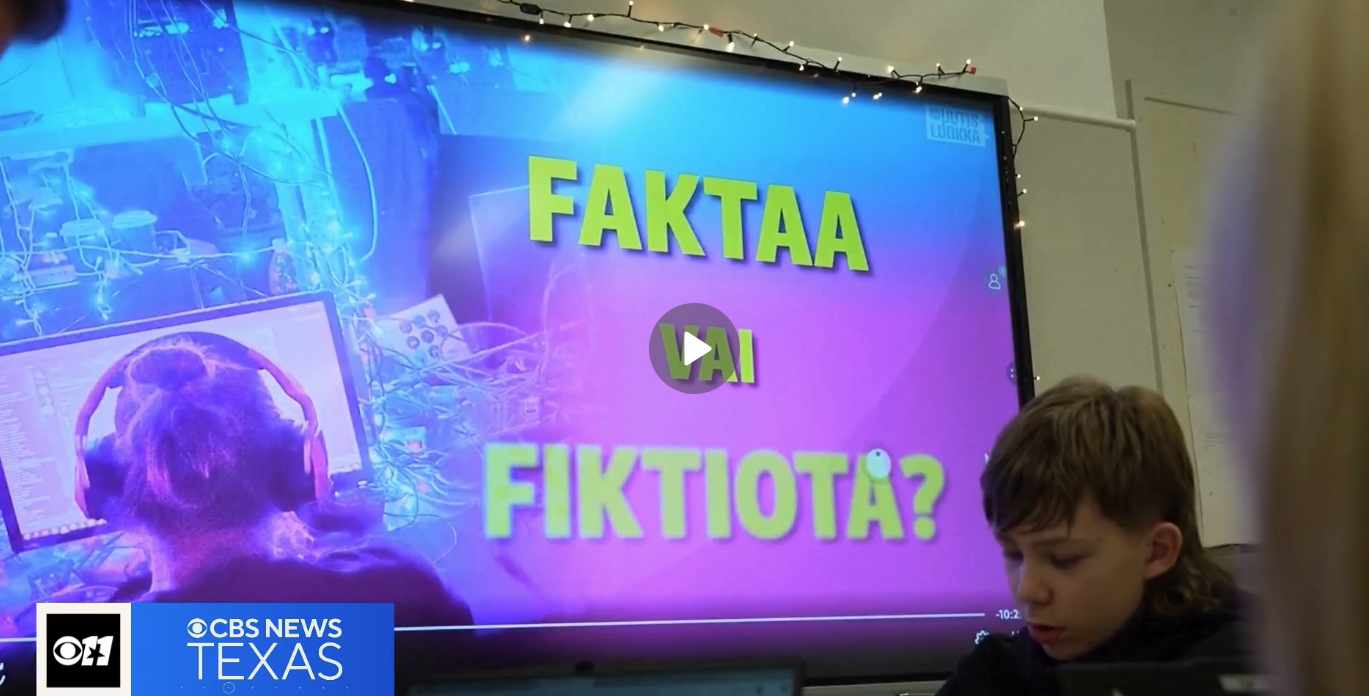
In Finland, kids learn from preschool how to tell fact from fiction online—a lesson for life. [Here in the U.S., university librarians struggle to make students understand the difference between information, misinformation, and disinformation, and why AI isn’t the best way to learn anything.]
Book News
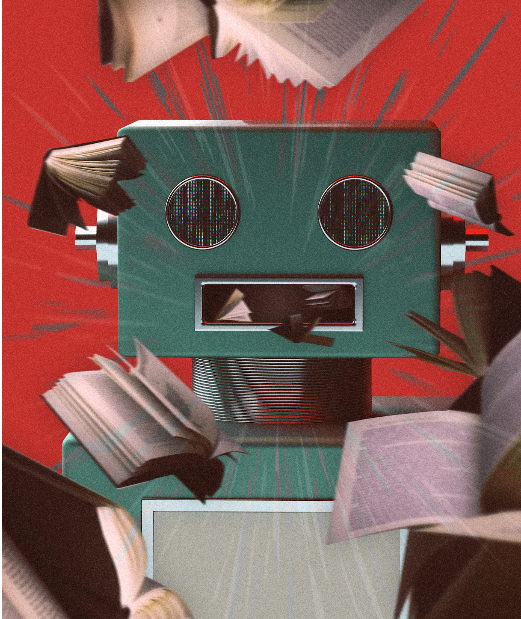
Inside one company’s secret plan to ‘destructively scan every book in the world’
Court filings reveal how AI companies raced to obtain more books to feed chatbots, including by buying, scanning and disposing of millions of titles.
By Aaron Schaffer, Will Oremus and Nitasha Tiku
In early 2024, executives at artificial intelligence start-up Anthropic ramped up an ambitious project they sought to keep quiet. “Project Panama is our effort to destructively scan all the books in the world,” an internal planning document unsealed in legal filings last week said. “We don’t want it to be known that we are working on this.”
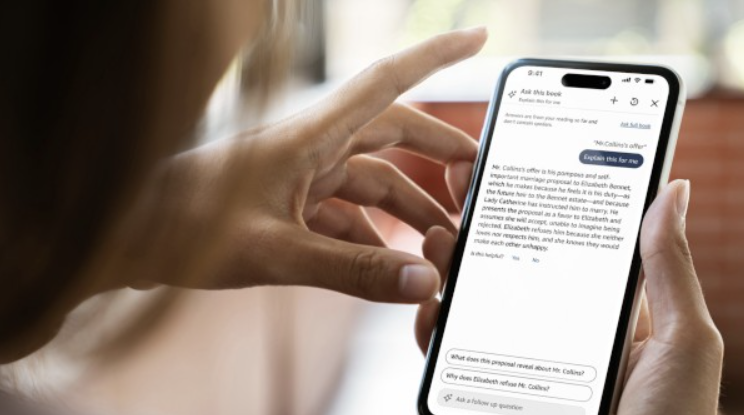
Interactive AI Features in E-books, Audiobooks Drive Debate
As book retailers and distributors leverage artificial intelligence to offer interactive features, publishers are reckoning with the implications.
A Virginia library book found its way home after 36 years and a world tour

Dimitris Economou recently found a copy of the children’s book “Harry the Dirty Dog” on his dad’s bookshelf in Greece and realized it had been taken out from a Virginia library decades earlier.
Food News
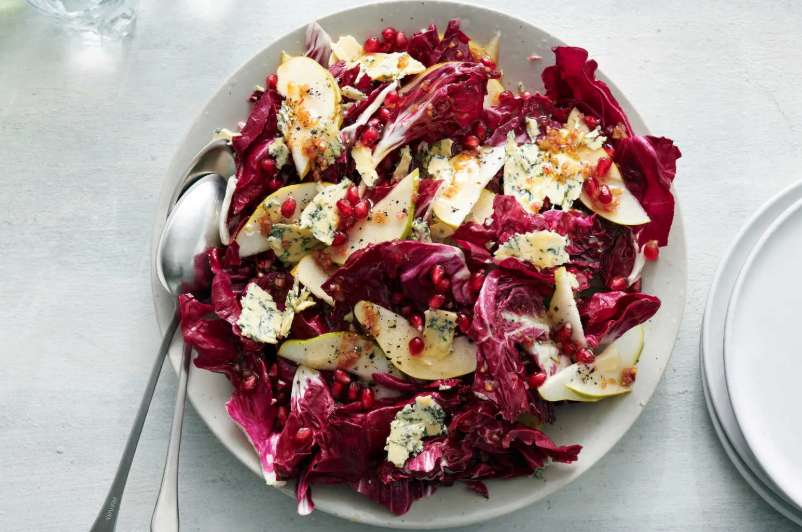
The latest salad I’m obsessed with! I found it because we were swimming in pears, thanks to a Harry & David gift that arrived much sooner than expected. I’ve made it twice in the past couple of weeks, and can’t wait to make it again! It’s gorgeous, and if you can get everything on your fork – radicchio, pear, blue cheese, pomegranate seed – it is a perfect, delicious bite. (Plus I got to use the walnut oil that languishes in the back of my fridge! But olive oil is a good substitute.)
Pear and Radicchio Salad With Blue Cheese
How Kraft Heinz Lost Its Lock on Mac and Cheese—and American Shoppers
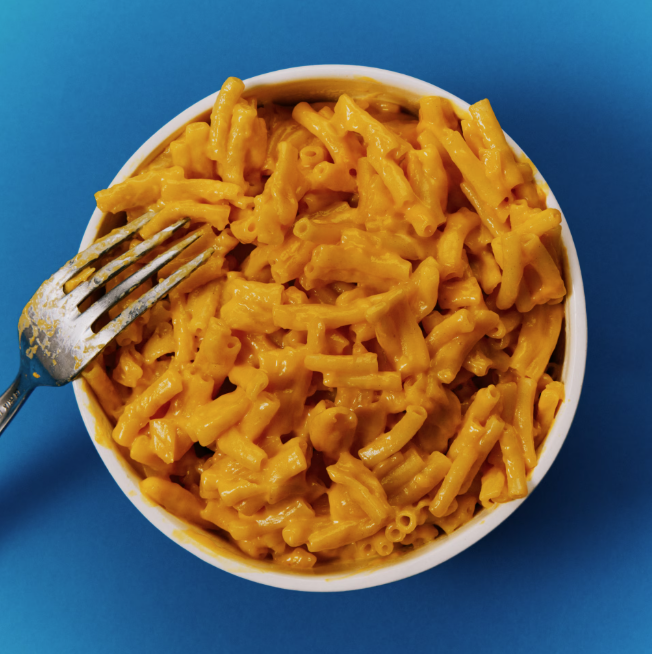
Buzzy upstarts and supermarket knockoffs eat into market share of leading brand; years of cost cutting, underinvestment and corporate chaos
Pizza used to be cheap, filling and everywhere — now Americans are walking away from it
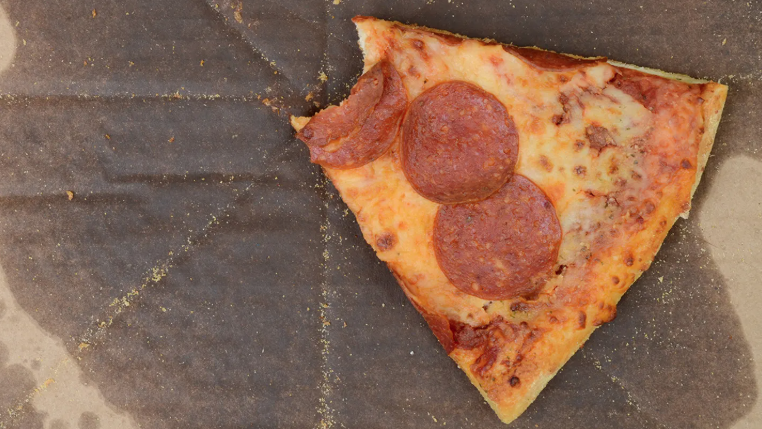
Once the second-largest restaurant category, pizza now ranks 6th as some chains shutter locations
Good News
High school students fix up cars, then hand the keys to single mothers

“Kids who never met me cared about me enough to put hard work into a vehicle to make sure myself and my kids were safe,” said Jessica Rader.
Forewarned is forearmed:
As always, thanks for reading, and stay safe.
Thanks to The New York Times and The Washington Post for allowing me to “gift” my readers with free access to these articles, a lovely perk for subscribers.




 Stacy Alesi's BookBitch.com™